This is for those who have been told that their pain is "all in their head.
If you've heard and been told you are in pain psychologically, then it should be better now, or nothing could be done more, you're reading this blog.
Complex Regional Pain Syndrome (CRPS) is one of the most debilitating chronic pain syndromes mentioned in medical history. It is real. It is not imagined. It's not a hyperbole. And it's not incurable.
Unfortunately, many of those who have CRPS spend months or years searching for answers. They may see several doctors and undergo several tests without getting a diagnosis. Sometimes family members and employers may not know why the pain is still there after the injury appears to be better.
Dr. RajaRajan Balasubramanian, FIPP, DABRM is the first dual board certified pain specialist in South India to be trained in diagnosis and treatment of complex pain conditions like CRPS.
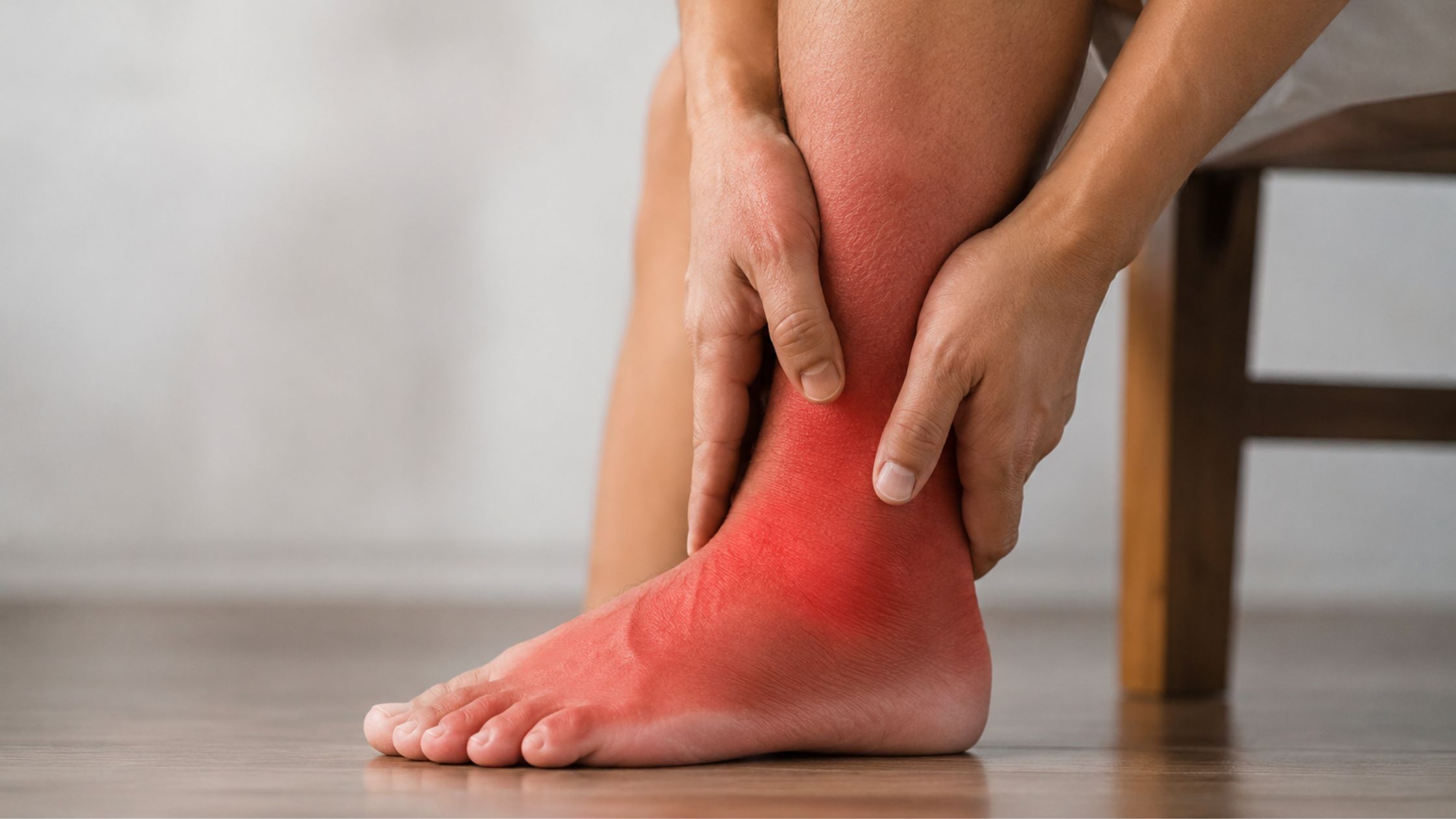
What Is CRPS? The pain level of the condition is worse than amputation.
CRPS or Reflex Sympathetic Dystrophy (RSD) is a chronic pain syndrome that usually develops after an injury, fracture, surgery or a minor sprain.
The one thing that's different about CRPS is that the pain associated with it is more than that of normal cases of the same injury.
Common symptoms include:
Severe burning pain
High sensitivity to 'tactile stimuli'
Swelling
Change in colour or temperature of the skin.
Excessive sweating
Reduced movement
Weakness or stiffness
One in every few people who suffer from burn injury in India, who complain to them about discomfort when they touch their clothing, bed sheets or even the lightest of touch.
If at any time you've wondered how your hand can burn after getting an injury, it may be worth taking a look at CRPS, particularly if your hand is still painful after the usual healing period.
Why does CRPS occur — what causes pain to last after an injury has been "healed"?
Research on the cause of CRPS continues, but it's believed that it's a reaction of the nervous system to an injury.
Usually, if tissue is damaged, pain will decrease as the tissue recovers.
In the case of CRPS, the nervous system, however, continues to fire the pain signal after healing has occurred. Despite the fact that the injury has healed, the brain, the spine and the sympathetic nervous system are active and overactive, leading to chronic pain.
Possible triggers include:
Bone fractures
Surgery
Sports injuries
Soft tissue injuries
Nerve injuries
Burns
Even minor injuries can be serious.
That is why sometimes patients will experience pain at the fracture site, but nothing seems to alleviate the pain, even after a normal x-ray or even after a fracture has healed.
The pain isn't imaginary. It's a result of the altered response to pain that occurs in the nervous system.
Why early treatment is so important – there are three stages of CRPS.
The three stages of CRPS are not the same for everyone, but are typically the three phases of the disease.
Stage 1 – Early CRPS
Usually develop within one or two weeks of an injury.
Common features include:
Burning pain
Increased skin warmth
Swelling
Sensitivity to touch
Excessive sweating
The most important thing is early diagnosis in order to reduce symptoms and keep functioning as much as possible.
Stage 2 – Progressive CRPS
If not treated properly, symptoms may be more persistent.
Patients may notice:
Ongoing severe pain
Stiffness
Reduced joint movement
Skin cooling and/or becoming shiny.
Muscle weakness
Writing, walking, dressing, holding objects and other everyday activities are becoming more difficult.
Stage 3 – Long-Standing CRPS
If CRPS is not treated, some patients might suffer permanent changes.
These can include:
Large loss of mobility
Muscle wasting
Persistent pain
Contractures
Functional disability
Treatment to help control pain, function and quality of life can help at this stage, although recovery can be challenging.
The main message is:
Early recognition and treatment of CRPS can make a difference in the prognosis and avoid chronic disability.
The Budapest Criteria are the criteria for the diagnosis of CRPS.
There is no specific blood test, X-ray or MRI to diagnose Complex Regional Pain Syndrome (CRPS). Diagnosis is based mainly on a thorough clinical evaluation and on the internationally agreed upon Budapest Criteria, a set of guidelines to help the doctor distinguish CRPS from other disorders that can cause ongoing pain.
Based on these criteria, it is the doctor's job to assess:
On-going pain that is excessive to the initial injury.
Changes in the senses, including being more sensitive to touch or temperature
Differences in skin colour or skin temperature in relation to the other side of the body
Excessive chest swelling or excessive sweating.
Limited motion, weakness, tremor or alterations in the hair, skin, or nails.
Other testing, like X-rays, MRI or nerve conduction, may be ordered to rule out other disorders, but are not enough alone to diagnose CRPS.
Early detection is crucial because, generally, treatment is more effective before long standing changes occur.
CRPS Treatment in Tamil Nadu — Advanced Pain Management at Dr. RRB Pain Care
Treatment of CRPS is typically a combination of treatments specific to the patient. The aim is to minimize pain, maximize movement and get the patient back to function as soon as possible.
Dr. RRB Pain Care at Singaperumal Koil, is one of the fewest centres in South India that treats the entire spectrum of CRPS – that is:
Upper-limb CRPS—Stellate Ganglion Block
Lower-limb CRPS – Lumbar Sympathetic Block
Selected pain conditions – Pulsed Radiofrequency.
Referral pathway for Spinal Cord Stimulation for carefully selected patients with persistent symptoms
A stellate ganglion block in Tamil Nadu is an imaging guided procedure for CRPS of the arm, hand, shoulder or upper limb. The imbalance of abnormal sympathetic nerve activity may be blocked, which can decrease the amount of pain, enhance circulation and aid in rehabilitation for a short time.
Likewise, a sympathetic block of the lumbar spine can be used for patients who have CRPS affecting the leg/foot.
Additional treatment may include:
Individualised rehab and physio.
Naloxone (Narcan) may be administered, as needed, for pain relief.
Occupational therapy to improve daily function
Emotional support if required; chronic pain can have a huge impact on emotional health,
A detailed clinical investigation is performed to design an individualised treatment plan for each case. The method will vary according to the severity of the symptoms, the health of the patient, and which limb is affected, as well as the stage of CRPS.
Specialist Care for CRPS
Patients looking for a CRPS treatment in Chennai or a complex regional pain syndrome doctor in Tamil Nadu are forced to travel long distances as they can't find specialized CRPS services.
Dr. RRB Pain Care at Singaperumal Koil is one of the few centres in South India to provide the whole range of CRPS treatment.
The clinic is strategically situated on the GST Road, which is about 45 minutes from Chennai Central, making it easy for patients from around the region to reach the clinic.
Clinic Address
Dr. RRB Pain Care
GST Road, Singaperumal Koil, Tamilnadu, 603204
For those with ongoing burning pain following an injury, unexplained intense pain or who have been diagnosed with CRPS, it is important to be seen by a specialist early on to be able to plan appropriate treatment.
📲 Give us a call on WhatsApp for a consultation.
Frequently Asked Questions
1.Does it exist? Is CRPS a true entity? Why is it most doctors are unaware of it?
Yes. CRPS is a known condition that has universally accepted diagnostic criteria. It is less common, so may only be seen a few times during a healthcare professional's career and diagnosis may be delayed.
2.What triggers CRPS?
CRPS typically occurs following fractures, surgery, sprains, burns or nerve damage.Sometimes, even relatively minor injuries can cause the condition.
3.Is CRPS curable?
No known cure for CRPS. Earlier diagnosis and timely treatment, however, can help many patients alleviate pain, optimize mobility and function on a day-to-day basis.
4.A stellate ganglion block is a procedure used to treat CRPS, but what exactly is it?
A stellate ganglion block is an injection into a portion of the sympathetic nervous system in the neck done with the help of an image. It's usually employed for CRPS in the upper limb and can help to reduce excessive nerve activity and pain.
5.Does Tamil Nadu have the treatment for CRPS?
Yes. Dr.RRB Pain Care, Singaperumal Koil provides specialisation in the assessment of CRPS and advanced pain management to patients from all over Tamil Nadu and surrounding states.
Conclusion
CRPS can cause a lot of physical and emotional stress, particularly when you are told that your pain should have stopped or something can't be done any more.
The key point to keep in mind is that CRPS is a verified medical disorder and that specialized assessment may be able to determine treatment options that can help improve pain, motion and quality of life.
The early assessment by a pain specialist who has experience treating CRPS will help make a difference if you are searching for regional pain syndrome treatment Tamil Nadu. It is treatable. And specialist care is available.
Dr. RRB Pain Care on the GST Road, Singaperumal Koil is one of the few centres in South India that provide you with all the treatment options for CRPS. If you or someone you know has ongoing burning pain following an injury, please contact us.
WhatsApp us or book your consultation| Phone: 9677375851.