Heel pain is a common issue among people who work in a standing position or work in a factory setting. Heel pain is a frequent problem for factory workers and standing professionals.
If you are like most people, you will experience a sharp stab of pain in the heel upon getting up in the morning, you are not alone. It's one of the most frequent reasons for heel pain and happens to thousands of workers in Chennai's industrial belt each day. Many people begin with the pain slowly and may attribute the discomfort to fatigue from being on their feet all day long. Unfortunately, it rarely gets better on its own.
The workers of the Oragadam industrial corridor, employees of the factories in Maraimalai Nagar, healthcare workers, teachers, retail workers and professionals who stand for hours during work are at high risk. Fortunately, early diagnosis of most cases can be treated successfully without surgery.
What Is Heel Pain? (And Why It's Not Fatigue)
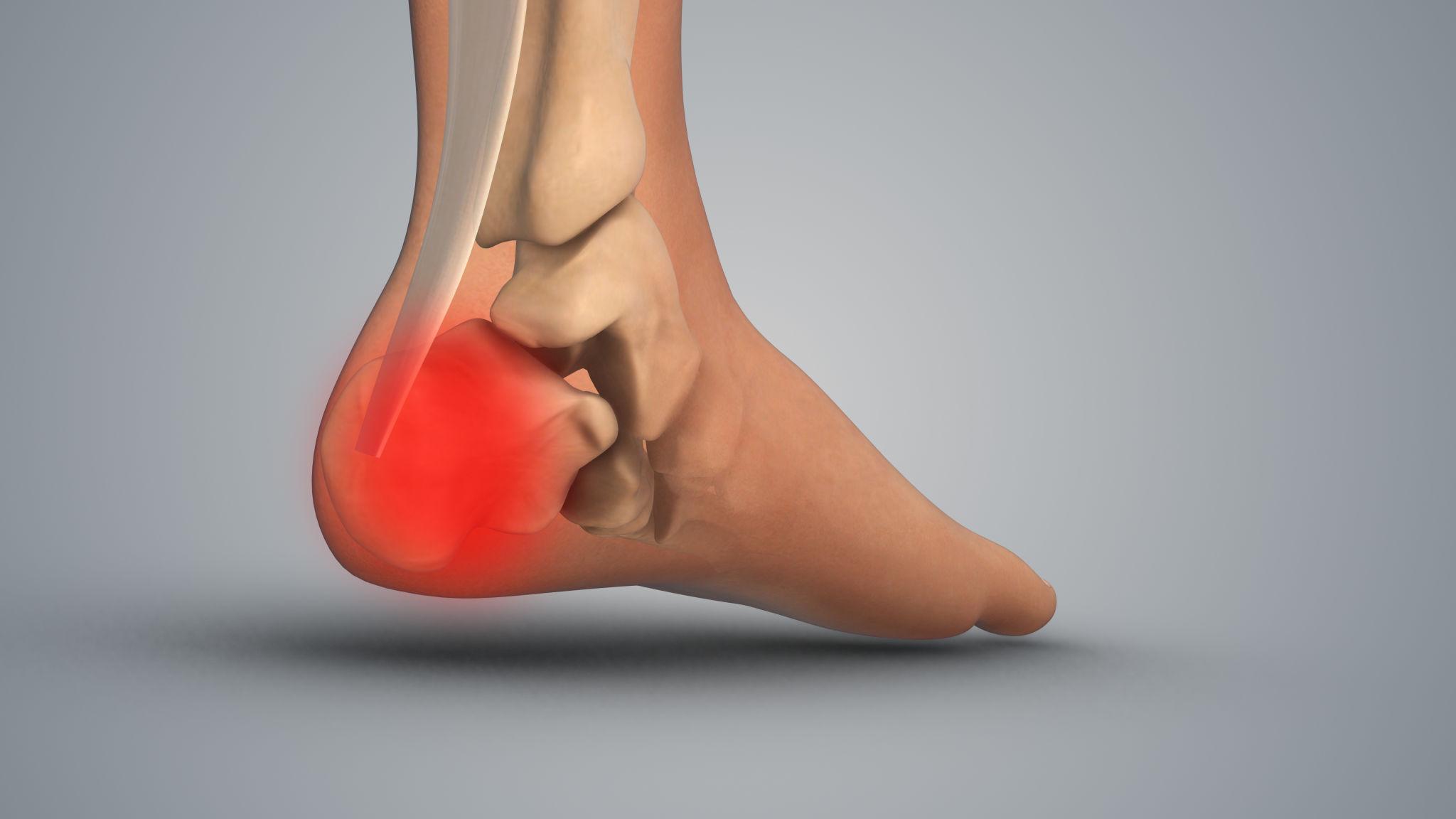
Heel pain is a pain underneath or around the heel, particularly when taking your first steps in the morning or after a period of sitting. Most people think that pain in the heel is caused by tiredness but if it is there, it is likely to be a symptom of some problem.
Plantar fasciitis—irritation of the thick band of tissue that supports the arch of your foot—is one of the most common medical causes. If not treated, pain may become chronic and start to interfere with your ability to work, move about, and enjoy your life.
If they persist after a few days, consult a professional for heel pain treatment in Chennai to avoid complications in the future.
The most common one is plantar fasciitis, which is explained simply below.
Plantar Fasciitis is a condition that is caused by repetitive stress on the tissue that joins your heel bone to your toes. This structure is subjected to stress with each step and small injuries can develop over time.
Common symptoms include:
Sharp pain in the first few steps in the morning
It is a heel pain that occurs after standing for extended periods of time.
Fluctuating pain that gets better with activity and then gets worse again
A characteristic of the condition is the tenderness that occurs at the bottom of the heel.
Difficulty walking comfortably
When it comes to finding plantar fasciitis treatment Chennai, many people are amazed to find that the condition is very treatable if caught early.
It is common knowledge that factory workers and standing professionals get it worse.
Some jobs involve the feet being put under tremendous stress. This is why heel pain is more common among factory workers and standing professionals than office workers.
Working excessively on hard surfaces.
Concrete floors are used in factories and this can add up to greater impact forces on the feet throughout the day. Constant stress can cause inflammation of the tissue around the heel.
Inadequate Footwear
Safety shoes can offer protection but usually lack adequate arch support. The type of footwear is a huge contributor to heel pain.
Repetitive Walking and Standing
Oragadam and Maraimalai Nagar industrial areas have workers whose work requires them to stand for 8–12 hours. The constant pull may cause plantar fasciitis and other foot ailments.
Age and Weight Factors
Under the heel can naturally start to thin out as we get older. Overeating may also cause extra stress on the heel.
Delayed Medical Attention
Many employees just go on working through pain, hoping it will go away on its own. Unfortunately, it is often the case that a delay in treatment results in a longer and more difficult recovery.
That is why Plantar fasciitis treatment for factory workers and Heel pain treatment for standing workers south Chennai is gaining significance.
You should seek medical attention if your heel pain worsens, especially if it is accompanied by any of these symptoms:
Not all cases of heel pain are an emergency, but some types should not be neglected.
1.Persistent pain that lasts for longer than two weeks.
If your symptoms last a while, they may be a sign of an underlying condition that needs medical attention.
2. Severe Morning Pain
Plantar fasciitis can cause pain during your first steps each morning, if you get up with your first few steps.
3. Difficulty Walking Normally
Altered gait can cause knee, hip and back issues.
4.The swelling around the heel.
Swelling/inflammation is a sign to be evaluated by a specialist.
5. Pain that interferes with work.
When heel pain is hindering your ability to stand or work comfortably, it's time to seek treatment.
If your condition is one of the many that has people asking "is heel pain serious should I see a doctor", it is time to see a doctor.
Dr. RRB's approach to treating heel pain without surgery.
The number one worry of patients is that surgery will be needed. Fortunately, most heel pain doesn't require surgery.
Dr. RajaRaja Balasubramanian, FIPP, the first dual board-certified pain specialist in India, says that most cases of heel pain are treatable with targeted treatment in 4-6 weeks.
Treatment may consist of:
Detailed clinical evaluation
Activity modification guidance
Customized stretching programs
Footwear recommendations
Innovative pain management techniques
Image guided injections as needed.
Regenerative treatments like PRP can help rejuvenate the skin.
PRP for Heel Pain: What to Expect
A newer, more cutting-edge treatment for selected patients with chronic heel pain, which is called PRP therapy, or Platelet-Rich Plasma therapy.
The painful area is injected with a small sample of your own blood that has already been processed. It boosts your body's healing process and promotes the natural healing of damaged tissue.
Patients with persistent heel pain may be suitable candidates for PRP therapy after evaluation.
This is done on an outpatient basis and usually the patient can go home on the same day.
Check out our FAQ to get answers to questions about heel pain.
1.How to get rid of heel pain quickly?
The quickest way will vary according to the cause. Most of the time, early diagnosis, good footwear, stretching exercise and professional treatment can offer faster relief than self-treatment.
2.But is plantar fasciitis the same as a heel spur?
No, plantar fasciitis is an irritation of the plantar fascia whereas a heel spur is a small bony growth. The two conditions can, however, be combined.
3.Can heel pain go away without treatment?
Sometimes rest and activity modification is enough for mild cases to improve. But if pain persists for over 14 days, it is best to see a specialist.
4.What is the timeframe for the PRP treatment to work for heel pain?
Most begin to see slow recovery in several weeks, but the recovery period is dependent on the severity of the condition.
5.Which specialist should I consult for heel pain?
A pain specialist with knowledge and expertise in musculoskeletal and regenerative treatments can properly diagnose the cause of your heel pain and recommend the appropriate treatments.
6.Make An Appointment Now
If you've had pain in your heel for over 2 weeks, it's time to seek out a specialist. Dr. RRB Pain Care, Maraimalai Nagar, Chennai provides state-of-the-art treatment if you have pain in the heel.
👉 Contact WhatsApp Us right Away for Rapid Assistance
👉 visit our clinic for expert consultation
Dr.Rajarajan Balasubaramanian, MBBS,MD,DNB,FNB (WIP,USA,DABRM(USA)
India’s first National Board and America Board Certified interventional pain specialist. Pain Management specialist at Dr RRB Pain Care , Maraimalai Nagar, Chennai.